
News
Company news, product releases and engineering practice
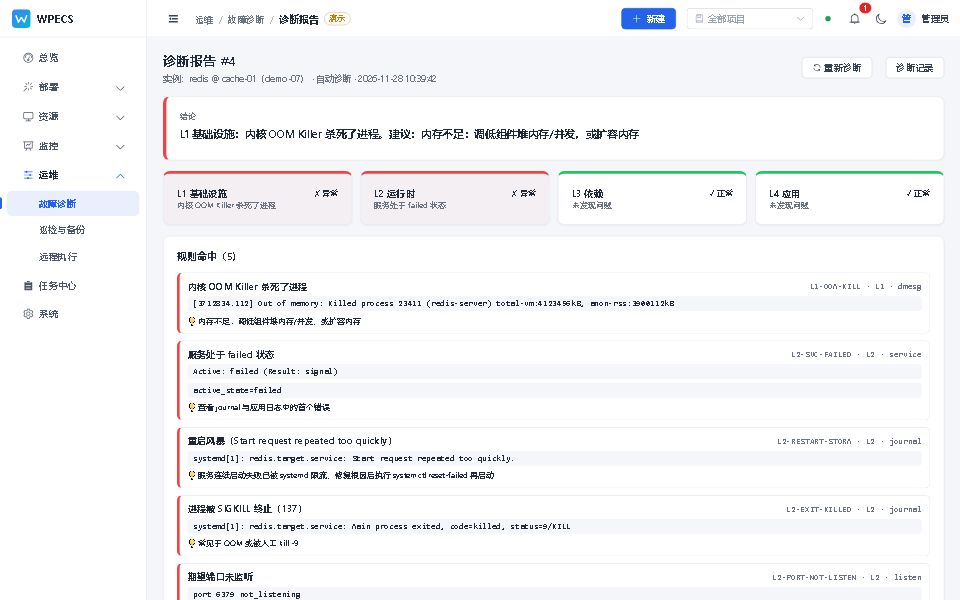
From alert to answer: WPECS's 43 layered diagnosis rules
WPECS splits diagnosis into four layers (host, runtime, dependencies, application) and gathers evidence layer by layer with 43 rules; when an alert fires, a read-only diagnosis runs automatically and its conclusion and advice go out with the alert, optionally analyzed by Claude or an internal LLM with the evidence redacted.
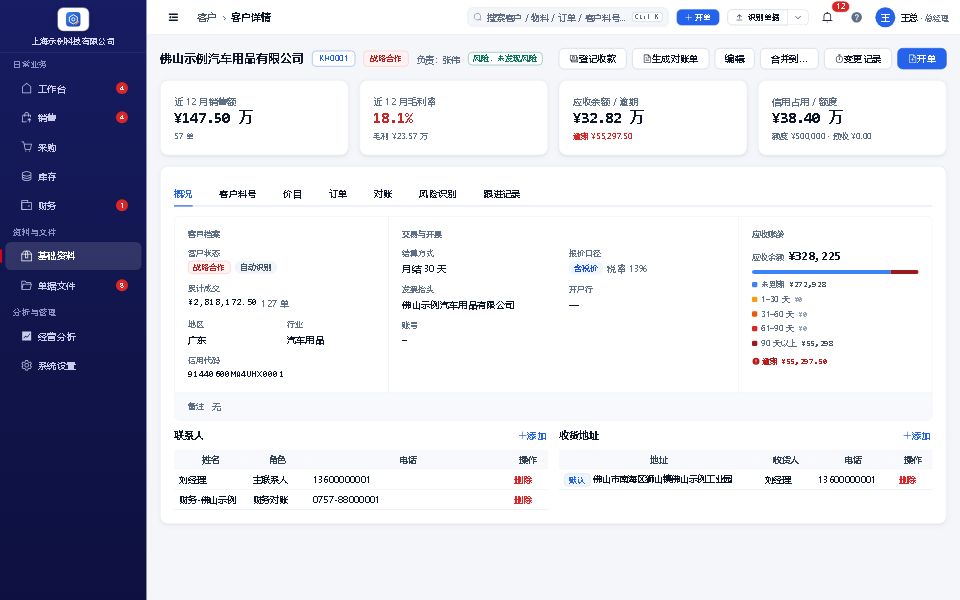
Sales never see purchase prices: RBAC and PostgreSQL row-level security in fordway
Trading companies fear salespeople taking deals around them. fordway controls data visibility at three layers, pages, APIs and database row-level security: fields you may not see are never returned, never exported, and the database is the last line of defence.
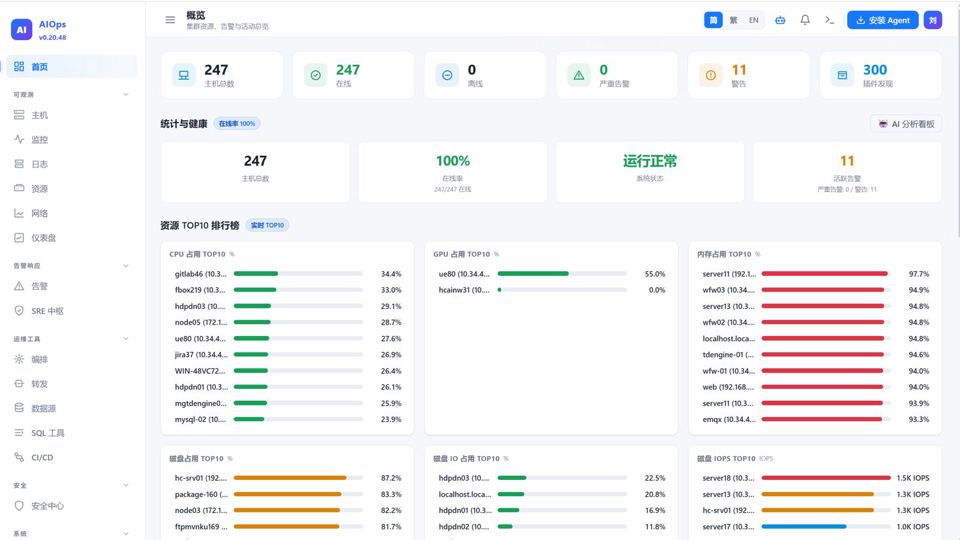
openaiops Agent OTA: the fleet keeps up after a server upgrade
After a server upgrade there is no need to sign in to each host: online agents that are behind are queued for upgrade automatically, with SHA-256 checks, maintenance windows and automatic rollback.
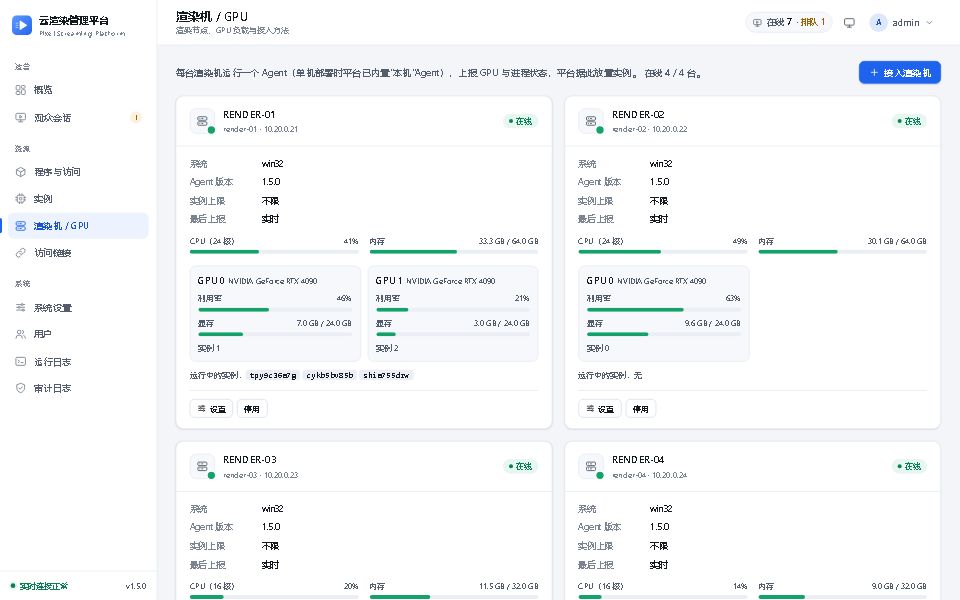
1,000 viewers at about 300 ms p99: how UEPS is load tested, what it measured, and what to monitor
UEPS load tests the platform itself with simulated render machines and viewers: 300 viewers through nginx reach 328 ms p99, and 1,000 viewers on the viewer port reach 306 ms p99 with memory going from 81 to 115 MB and zero errors. This article covers the method, the architectural trade-offs and the metrics to watch in production.
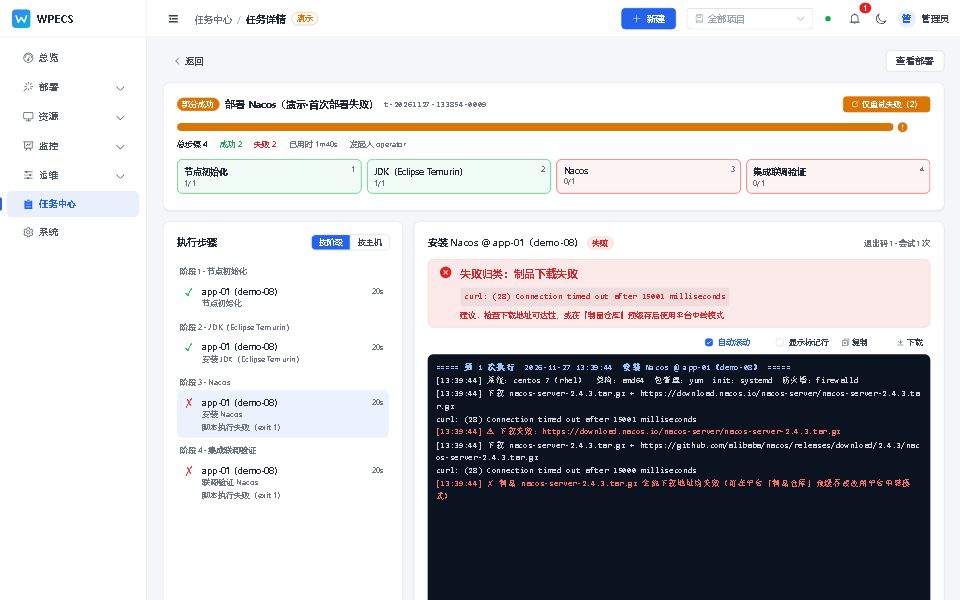
Delivering into offline networks: WPECS's artifact repository, download engine and vulnerability management
WPECS downloads each package once into its repository and pushes it to nodes; its download engine probes many sources at once, detects soft 404s, downloads in segments across mirrors and checks upstream checksums. Fully offline sites get per-architecture export bundles imported with one command, and the vulnerability database can be imported offline too.
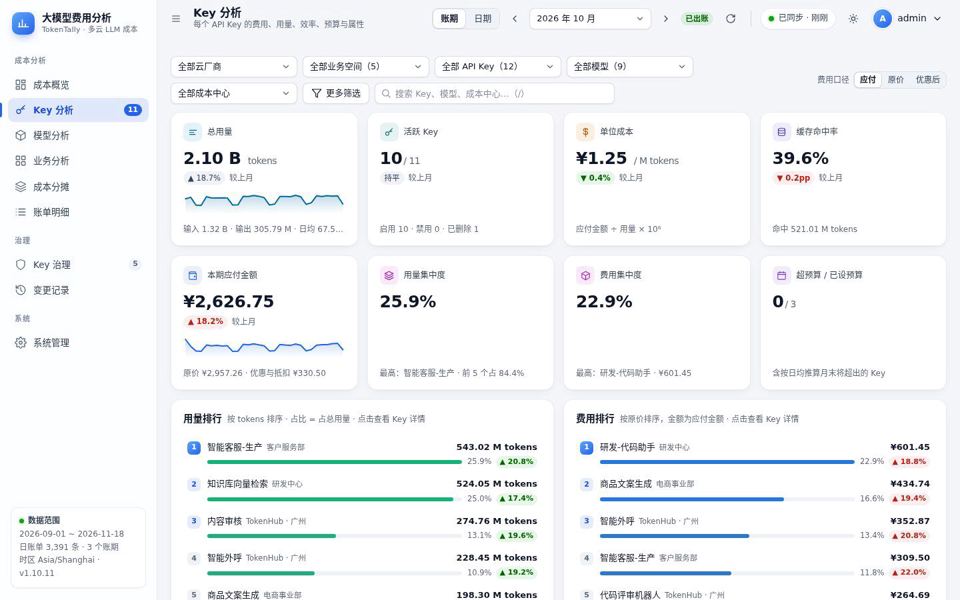
Tencent Cloud TokenHub bills have no API key: how are key-level costs calculated?
Tencent Cloud bills by inference service and model, without the API key. TokenTally allocates costs to each key exactly as "real bill amount × token share", and the total matches the bill.
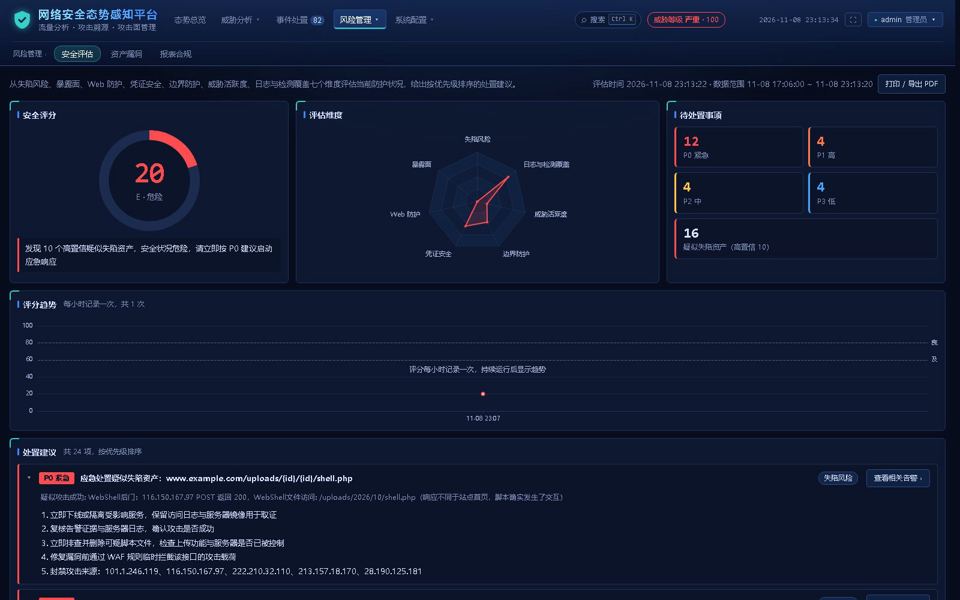
Why alerts need evidence review: unified threat level decisions in netsa
A rule hit is not a successful attack. netsa reviews alerts with session evidence, response baselines and account clues, and decides the level in one place, so blocked attacks are not marked critical and real successes are not missed.